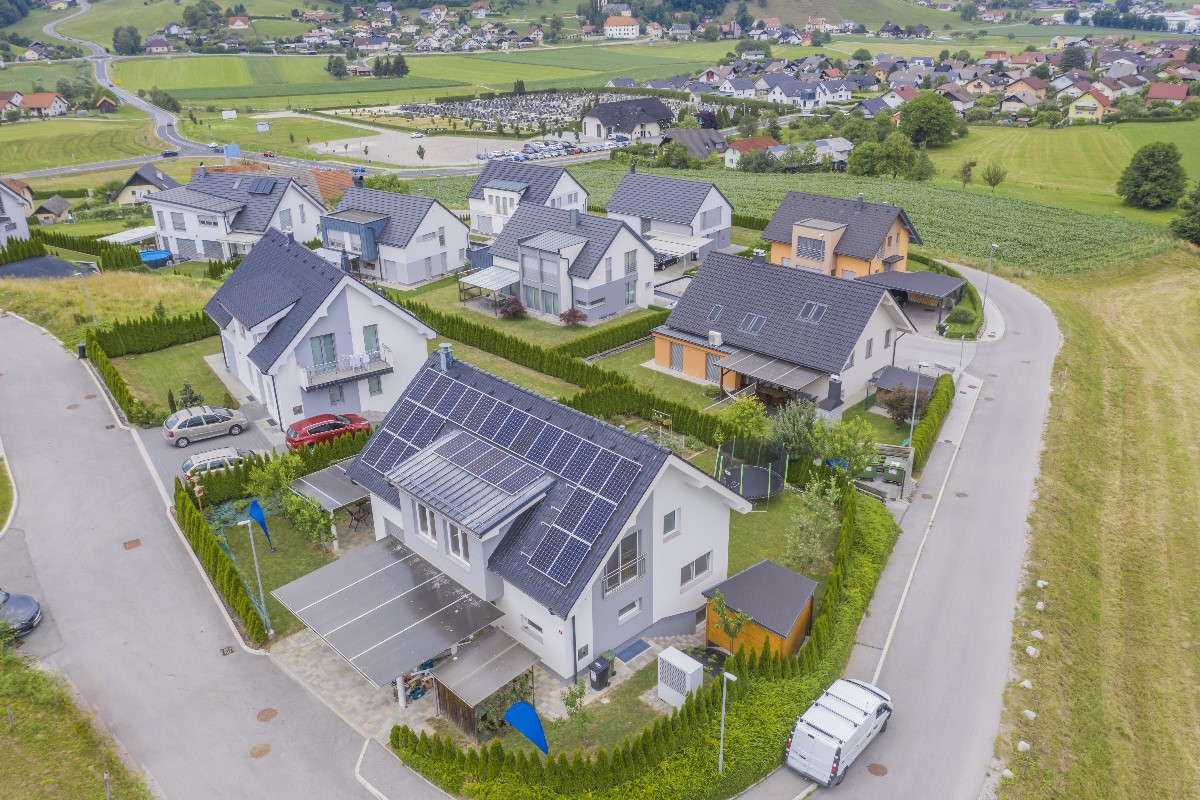
Buildings that are able to reduce in a real way the amount of electricity and heating bills and are environmentally friendly, is a hot trend in construction around the world, including Poland. People who are considering this solution have two options to choose from – passive or energy-efficient house. What are the differences?
Passive houses are buildings with an annual energy demand for heating not exceeding 15 kWh per square meter, and a demand for energy necessary to heat water or power electrical appliances not exceeding 120 kWh per square meter. Thanks to this, passive houses are classified as energy efficient houses, but this rule does not always work the other way round. Passive houses are usually designed in such a way that the layout of their rooms allows for free flow of heat. The location of window openings is also important. In an ideally designed passive house, they should not be located on the northern side as this could contribute to excessive cooling of rooms
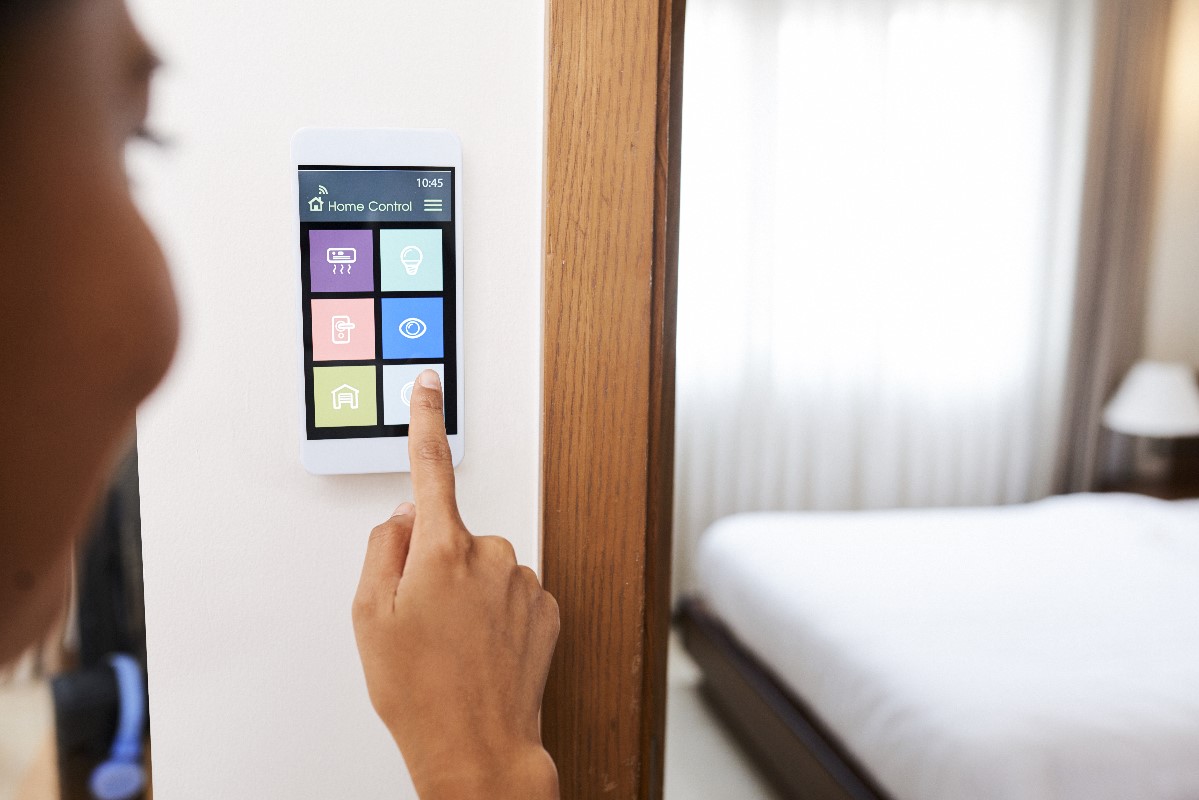
Another element distinguishing passive houses is their excellent thermal insulation applied in the partitions, which can be up to 30 centimetres thick, i.e. three times thicker than in classic buildings. Additionally, in passive houses, as an alternative to gravitational ventilation generating large heat losses, mechanical ventilation in the form of recuperation is most often used, which allows heat to be recovered and reintroduced into the building. Generally speaking, passive houses use all kinds of solutions that allow for significant reduction of heat loss and electricity demand. Among these are
Although at first glance it is difficult to recognize, whether the building is passive or just energy efficient, because in both cases these constructions are characterized by a simple body of buildings and are made of materials such as concrete, brick or stone. Low-energy houses, however, do not have to meet stringent energy demand standards. Even so, they consume much less energy than conventional buildings – on average about 30 kWh per square meter per year. In energy-efficient houses, the most important issues are
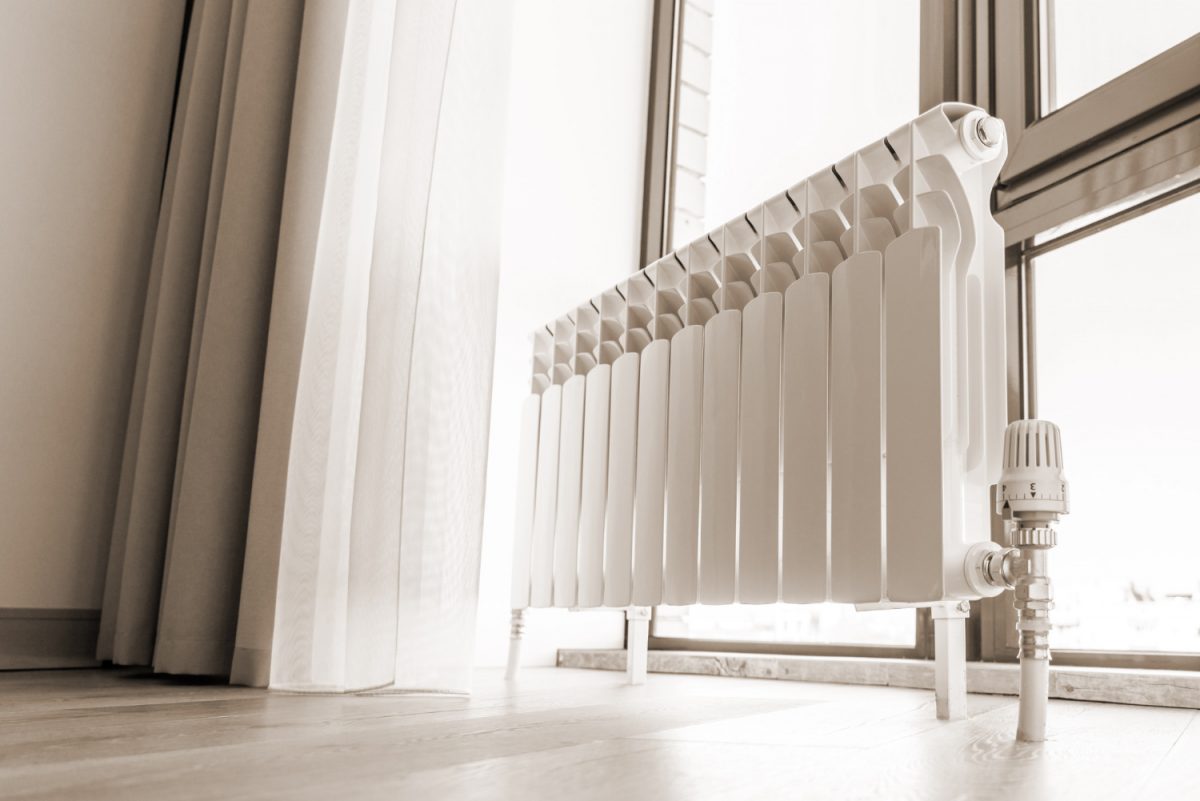
In low-energy houses a classical heating system is used, i.e. radiators, heat distribution system and stoves, which are the source of heat
As you can see, passive buildings put much more requirements before investors. They require a good location of the plot in a shady place, very good insulation and tightness of all external partitions, as well as optimal glazing. In connection with this, the costs of their construction are higher than in the case of energy-efficient houses. Therefore, if you have a limited budget, it is better to opt for an energy-efficient house, which will minimize the consumption of heat and electricity
In conclusion, the number of passive houses in Poland is still a small percentage among residential buildings, but every year there are more and more offers from developers, who offer to build them. Therefore, it can be expected that their number will gradually increase. In addition, constantly tightening construction requirements make the technologies used to build passive houses cheaper, so that more and more people will be able to take advantage of this modern solution and enjoy all its amenities